Experience the Profound History and Breathtaking Splendor of San Antonio Missions National Historical Park
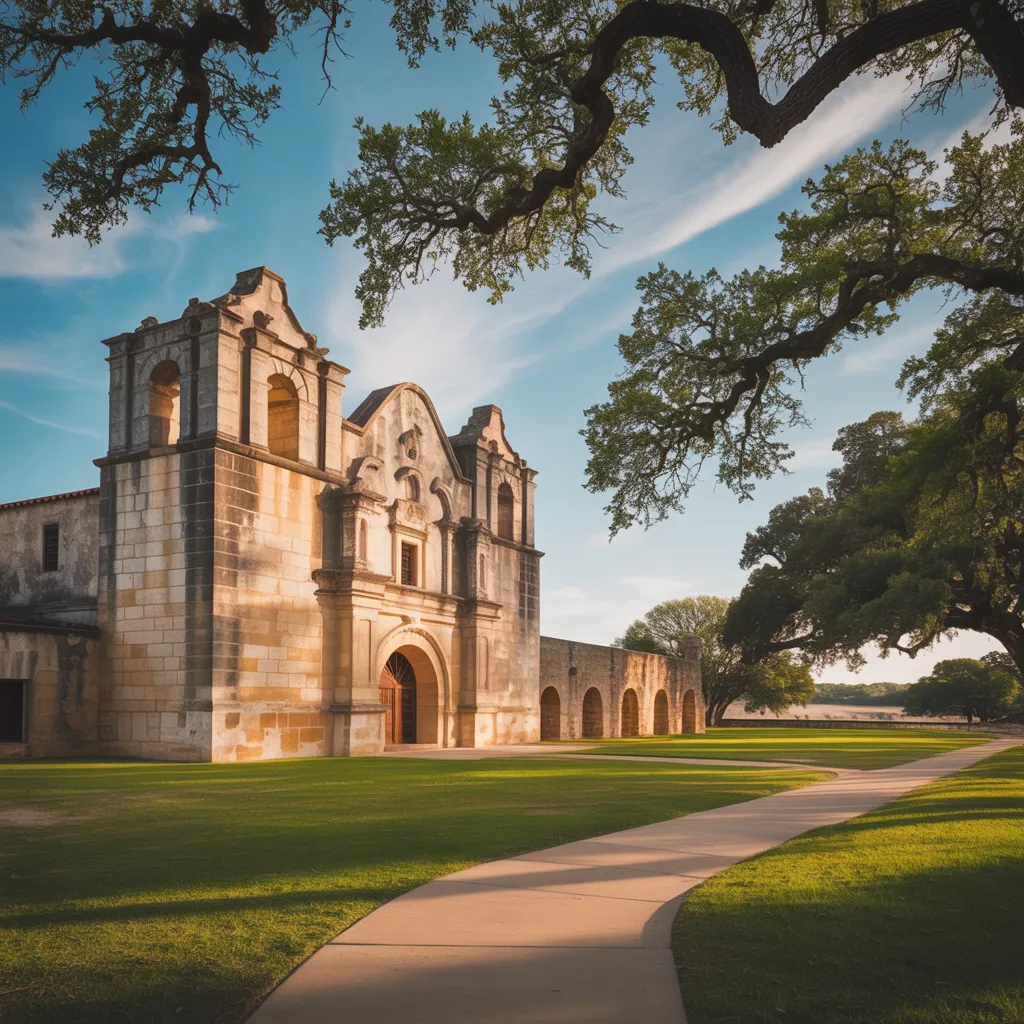
San Antonio Missions National Historical Park functions as a memorial to the 18th-century Spanish colonialism in North America. Its missions functioned not only as spiritual sanctuaries but also as nucleuses of agrarian progress. Visitors can ramble through these period structures while taking in the calm elegance of the encompassing vistas. The park delivers more than just the past; it inspires adventuring and engagement. What rests beyond the sanctuaries and paths may shock those who push onward.
The Crucial Purpose of the Mission Centers in Historical Context
Although frequently overlooked, the San Antonio Missions hold deep historical significance as essential centers of cultural exchange and religious influence in the 18th century. Established by Spanish colonists, these missions functioned as focal points for the dissemination of Christianity among Indigenous populations. They facilitated the introduction of European farming methods, livestock, and architecture, transforming local ways of life.
The missions also functioned as focal points for trade and interpersonal connections, San Antonio Missions National Historical Park hour encouraging relationships between multiple ethnic communities. Their strategic locations along the San Antonio River facilitated the establishment of a framework that unified various communities, supporting both economic and cultural development.
As a result, the missions held a significant place in the wider framework of Spanish colonization in North America. Today, they act as a monument to the complex interplay of cultures, highlighting the resilience and versatility of both the Indigenous peoples and the Spanish settlers in this past narrative.
A Comprehensive Analysis of Each Mission
Each mission within the San Antonio Missions National Historical Park delivers unique insights into the region's Spanish colonial past. Mission San Antonio de Padua, Mission San José y San Miguel de Aguayo, and Mission Concepción each reflect different architectural styles and historical narratives. By visiting these missions, visitors can gain a greater appreciation of their cultural and historical importance.
Mission San Antonio De Padua is a historic European outpost located in California. The establishment was established in 1771 and served as a spiritual hub for native populations. Visitors can discover the beautiful structures and understand about the extensive heritage of the location.
Mission San Antonio de Padua, one of the oldest missions in California, serves as a testament to the region's vibrant past and cultural heritage. Established in 1771, it was the third mission created by Spanish Franciscan missionaries. Situated in a picturesque valley near the Salinas River, it showcases remarkable architecture, featuring a beautiful adobe church characterized by its distinctive bell tower. The mission served as a crucial agricultural hub, greatly impacting the local economy and community. Its well-preserved grounds, featuring gardens and historic structures, invite visitors to explore the daily lives of the missionaries and Native Americans. Today, Mission San Antonio de Padua remains an essential site for understanding California's early interactions between different cultures and the spread of Christianity.
Mission San José Y San Miguel De Aguayo displays remarkable characteristics of Spanish colonial construction and historical importance.
Established in 1720, Mission San José y San Miguel de Aguayo is a significant site in Texas history, showcasing the blend of Spanish colonial architecture and indigenous culture. Often referred to as the "Queen of the Missions," it served as a center for religious, agricultural, and cultural activities. The mission's intricate stone carvings, including the famous Rose Window, exemplify the craftsmanship of the time. It also featured a granary, a convent, and a well-planned layout that supported community life. Mission San José was crucial in converting local Native Americans to Christianity while promoting agricultural practices. Today, it stands as a tribute to the strength and creativity of both Spanish and indigenous peoples, attracting visitors eager to explore its rich heritage.
Mission Concepción Historical Record
Although frequently underestimated by its bigger competitors, Mission Concepción maintains a distinctive position in the past of Texas' Spanish missions. Established in 1731, it is one of the oldest missions in the area, originally founded in East Texas before relocating to its present site in San Antonio. The mission is notable for its well-preserved architecture, including a impressive stone church displaying a unique baroque facade. Its primary purpose was to convert the Native American communities, particularly the Coahuiltecan tribes. Mission Concepción played an vital function in the cultural and spiritual development of the region, serving as a hub for education and agriculture. Today, it stands as a monument to the resilience of the mission system and the varied history of Texas.
Discovering the Pristine Terrain
San Antonio Missions National Historical Park demonstrates a rich tapestry of varied flora and fauna that brightens its visual appeal. Scenic river trails wind through the setting, granting visitors an chance to celebrate the area's biological richness. This unique environment not only supports wildlife but also stimulates exploration and discovery.
Assorted Flora and Zoological Species
The ecological terrain of the San Antonio Missions National Historical Park is a colorful composition of assorted plants and animals that demonstrates the region's substantial natural inheritance. The park's ecosystems span from fertile streamside habitats to dry highland areas, supporting a variety of plant species such as mesquite, live oak, and wildflowers. Wildlife flourishes here, with species including deer, coyotes, and numerous birds inhabiting the area. Additionally, the park acts as a critical habitat for migratory birds, making it an essential stopover point. Visitors can observe the intricate relationships between these organisms, as well as the impact of seasonal changes on the landscape. This species diversity not only beautifies the park's beauty but also promotes its ecological significance.
Beautiful River Trails
Meandering through the core of the park, the scenic river trails give visitors an immersive experience of the natural landscape. These trails extend alongside the San Antonio River, revealing the peaceful beauty of lush greenery and bright wildflowers. As one strolls or cycles along the trails, the sounds of rustling leaves and chirping birds create a melody of nature that relaxes the spirit. Along the trails, visitors find access to several viewpoints to pause and admire the tranquil waters and the varied wildlife inhabiting the area. Along the path, informational signs enhance the journey by providing insights into the region's ecology and history. In general, the scenic river trails encourage exploration and appreciation of the park's unique natural heritage.
Routes and Outdoor Experiences
While discovering the extensive heritage of San Antonio Missions National Historical Park, visitors can also engage in a range of trails and outdoor pursuits. The park features several well-maintained trails that wind through verdant terrain and historic sites, allowing guests to appreciate both nature and history. The Mission Trail, a standout feature, links all four missions, offering a beautiful path for hiking and biking.
Bird enthusiasts will find diverse avian species along the park's natural habitats and clearings. Additionally, families can enjoy picnicking in designated areas, where the serene environment enhances comfort. For those looking for a intimate bond with nature, interpretive programs often feature local flora and fauna, enriching the outdoor experience. The park's commitment to safeguarding its cultural and environmental treasures provides an wonderful location for leisure endeavors, confirming visitors exit with enduring recollections of both adventure and education.
Tourist Guidelines and Suggestions
Anyone organizing a trip to San Antonio Missions National Historical Park will benefit from knowing key information to improve their experience. The park is accessible year-round and has no entrance fee, allowing all visitors in. Comfortable walking shoes are recommended, as exploring the missions and trails can require considerable walking. Visitors should also pay attention to the weather, because summer temperatures can be high; mornings and evenings are usually cooler and more pleasant for outdoor activities.
Parking is provided near the missions, but it can become full fast during weekends and holidays. To maximize the visit, it is recommended to start at the visitor center, where useful materials and maps are provided. Additionally, bringing water and snacks will ensure a pleasant day of exploration. Finally, visitors should be considerate of the historical sites, maintaining the area clean and following park regulations.
Events and Learning Opportunities
San Antonio Missions National Historical Park offers a variety of events and educational programs created to involve people of every age. These offerings consist of guided tours, workshops, and presentations that showcase the rich cultural heritage of the historic sites. Seasonal events such as "Mission Heritage Days" encourage families to explore crafts, music, and cuisine of tradition, creating a sense of community and connection to the past.
Moreover, the park organizes ranger-led talks that uncover the history and significance of the missions, making them accessible and informative for guests. Educational programs also reach school groups, designing tailored activities that align with educational standards. These initiatives stimulate hands-on learning and advocate for stewardship of the park's historical resources. By delivering diverse programming, San Antonio Missions National Historical Park establishes that every visitor can recognize the unique stories and natural beauty of this UNESCO World Heritage site.
Regularly Requested Topics
Are Pets Welcome at San Antonio Missions National Historical Park?
Animals are not permitted in San Antonio Missions National Historical Park to conserve the natural environment and guarantee the safety of visitors. However, service animals are allowed, complying with federal regulations for assistance animals in public spaces.
When Is the Park Available Throughout the Year?
The park is open every day from 9 AM to 5 PM, featuring extended hours during particular seasons. Visitors need to visit the official website for any modifications to operating hours or special events year-round.
Is There an Entrance Fee for Visiting the Park?
The park has no entrance fee, allowing visitors to explore its cultural and natural attractions freely. However, donations are appreciated to help upkeep the park's programs and facilities for upcoming generations.
Can I Camp Overnight in the Park?
Overnight camping is not allowed within the park. Visitors looking for a camping experience must explore nearby campgrounds, which offer lodging and facilities while allowing them to experience the surrounding scenic landscapes and historic character.
Can Visitors join escorted tours?
Yes, structured tours are accessible for visitors. These tours present perspectives into the park's historical significance and architecture, allowing guests to examine the area with knowledgeable guides who elevate the experience through detailed explanations.